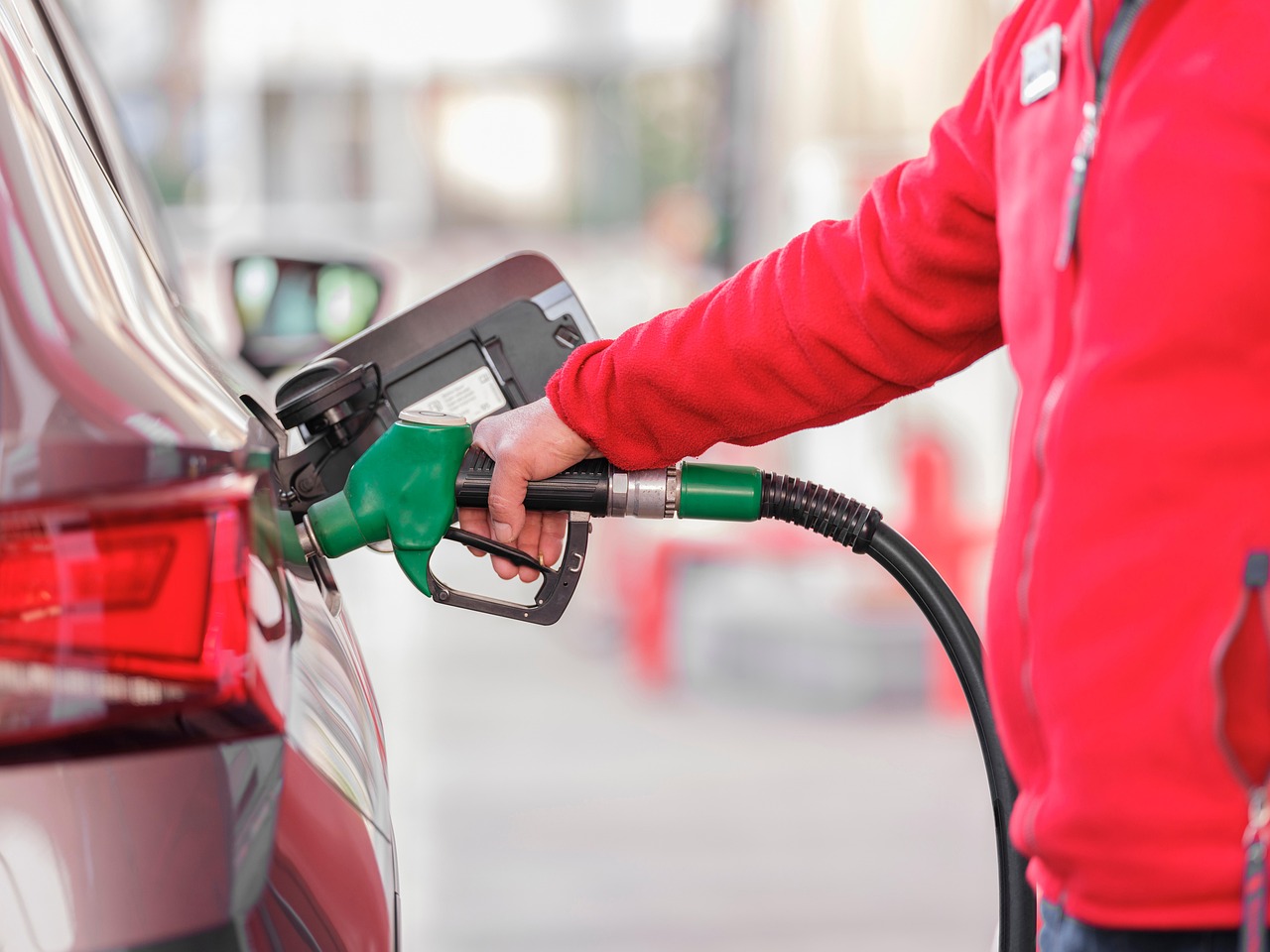
Consumers are taking a closer look at electric vehicles as gas prices become more volatile. Most buyers have three main types of EV to choose from: HEV, PHEV, and BEV.
You have the power to change how much you spend on energy and do your part for the planet’s future. With gasoline prices more volatile than ever, an electric vehicle is one of the best ways to bring your energy use under control. Most people drive a conventional car with a gasoline or diesel engine, so it helps to understand the basics of EVs. Consumers can purchase three main types:
Hybrid electric
Hybrid — A hybrid electric vehicle (HEV) combines a conventional internal combustion engine (ICE) burning gasoline or diesel with electric motors and battery storage. As you drive, the ICE and the electric system work together, increasing your miles per gallon and reducing the amount of gas you have to buy. Hybrids are among the oldest types of EVs on the road today, proving that the technology is reliable and popular.
Plug-in hybrid
Plug-In Hybrid — Like a standard hybrid, plug-in hybrids (PHEV) feature a small internal combustion engine paired with electric motors and a battery. However, the battery is somewhat larger and the gas tank a little bit smaller. That’s because you can plug in the car to your household outlet and let it charge overnight. You can also charge up at a charging station, which are multiplying by the thousands every year.
Keeping the battery charged means you only use gasoline when you need it, such as an extra long trip when charging isn’t as available. Many people with a plug-in hybrid go as long as a month without buying gas.
Battery-powered
Battery — The battery-only electric vehicle (BEV) gets rid of the engine entirely. Your EV is powered by electricity only, either by charging at home, usually overnight, or at a charging station. The number of these stations is expanding all the time, often in groups at lots maintained by local governments. You also find them at newer fast food restaurants, grocery stores, and shopping malls. Furthermore, the range of BEVs is growing, meaning you don’t have to worry as much about keeping the battery charged.
Plan your purchase
Buying Strategy — It’s important to study the available EV models by visiting local dealerships and searching online. Have the staff show you all the options. Many people accustomed to conventional cars move to hybrids, seeing the older style ICE as a kind of backup to the more modern battery power. A hybrid can be a stepping stone to a full BEV, especially if you live in an urban area and use a car to commute to work.
You may also be unfamiliar with many of the EV brands and manufacturers. In the U.S., the most popular EV makers are Tesla, Rivian, and Lucid. Some of the older carmakers, such as Ford and GM, have recently pulled back on their EV strategy, but rising gasoline prices may cause them to rethink their decisions. We’ve put together a list of EV makers as part of our BESt program.
Think carefully, spend wisely
Whether you’ve made an EV part of your driving future, or you’re just curious about this exciting new technology, the BES encourages you to think carefully and spend wisely. In the long-run, you’ll be reducing your energy budget and saving the planet for future generations.
What’s your experience buying and owning an EV?
Image by Benjamin Marder from Pixabay