Bending the Curve: Positive Progress on the Environment is a YouTube series that finds the places and projects where people are solving problems, testing new ideas, protecting vulnerable communities, and pushing environmental protection forward.
In Episode 4 of Bending the Curve, vulnerable communities are challenging polluters, inventors are finding cheaper paths to electric transportation, new business models could put backup batteries within reach of more homeowners, and hero conservationists are giving endangered animals a second chance at life. Some politicians, however, are starting to play down the issue of climate change.
“Gaslit” Turns a Spotlight on Louisiana’s LNG Industry
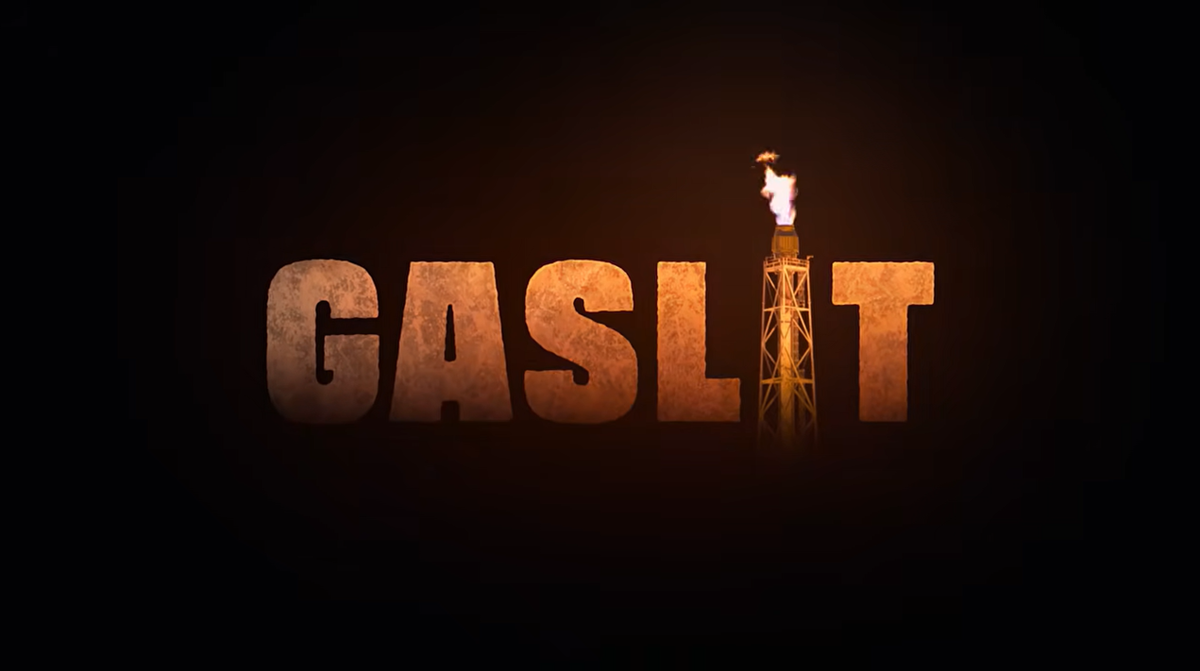
A new documentary is bringing national attention to communities living alongside Louisiana’s enormous petrochemical industry. The film, Gaslit, hosted by activist and actress Jane Fonda, focuses on the liquefied natural gas industry and the environmental consequences associated with it. The story was reported by Verite News.
Louisiana has become an important center for LNG exports. Natural gas extracted elsewhere, including gas produced by fracking in Texas, is transported to Louisiana, chilled into liquid form and shipped overseas. But many facilities connected with these operations are located along an 85-mile stretch of the Mississippi River that residents have long called “Cancer Alley.”
The area contains hundreds of industrial facilities, many of them near low-income and predominantly African-American communities. Residents and environmental advocates have raised concerns for years about pollution, health problems and the loss of traditional livelihoods.
Gaslit argues that the expansion of LNG infrastructure is adding another layer to those pressures.
The documentary was produced in partnership with Greenpeace USA and has received recognition on the film-festival circuit, including an award for Best Documentary Feature at the 2026 Santa Barbara International Film Festival.
Politicians Are Playing Down Climate Change, Fearing Voter Exhaustion
Another environmental story is unfolding in a very different arena: Congress. The National Coordination on Adaptation and Resilience for Security Act, commonly called NCARS, would reorganize how the federal government prepares for natural disasters including hurricanes, floods and extreme heat.
The basic idea is straightforward. Instead of allowing federal agencies to approach resilience separately, the legislation would encourage greater coordination and long-term planning.
What makes the proposal particularly interesting, however, is not simply what it contains. It is the changing language surrounding it.
Earlier versions of resilience legislation put climate change front and center. In 2022, the word “climate” appeared prominently in the legislation’s name and repeatedly in public statements promoting it. By 2023, the word had disappeared from the bill’s title and appeared less frequently in supporting materials. In the 2026 announcement, references to climate had declined further.
That shift reflects a larger political phenomenon sometimes called “climate hushing”: talking about policies that address climate-related problems without emphasizing climate change itself.
Some political strategists argue that voters respond more strongly to immediate concerns such as insurance costs, wildfires, flooding, energy prices or disaster preparedness than to the broader phrase “climate change.”
But changing the vocabulary does not change the underlying risks. Heat waves still arrive. Wildfires still burn. Floods still damage communities. Hurricanes still threaten coastlines.
And they’re magnified by climate change. Failing to acknowledge this fact risks reinforcing the denial expressed by some, instead of calling them out for their malfeasance.
For more on climate hushing, check out the article on Inside Climate News.
What If You Could Turn Your Old Pickup Into an EV?
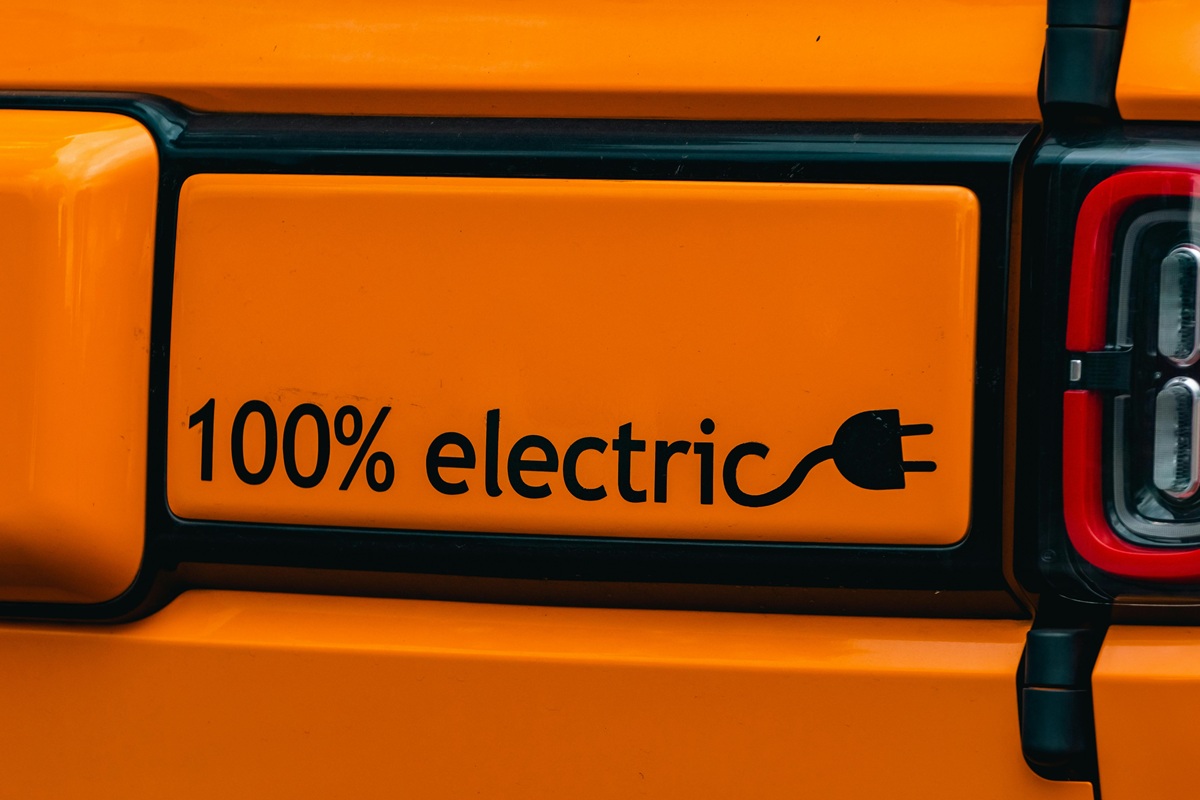
Buying an electric vehicle is one way to reduce gasoline consumption. But what if you didn’t have to buy a new vehicle at all?
Seattle inventor Tom Gurski of Blue Dot Motorworks is working on another possibility: converting an existing gasoline-powered pickup or SUV into a vehicle that can also operate using electric power. The concept preserves the vehicle’s existing gasoline engine while adding a battery and electric motor, effectively creating a new type of hybrid.
As reported by KUOW-FM, Gurski believes the transition to cleaner transportation doesn’t have to mean replacing every existing vehicle immediately. Retrofitting some of the millions of cars and trucks already on the road could eventually become another tool in the clean-transportation toolbox.
Cost remains one of the biggest barriers to EV adoption. A new electric vehicle can cost $50,000 or more. Gurski’s conversion concept could potentially cost an owner somewhere in the range of $6,000 to $10,000.
Whether the investment makes financial sense depends on several factors, including local electricity prices, the condition of the existing vehicle, how much it is driven and how many additional years it can remain on the road. Spending $10,000 upgrading an aging vehicle could be a poor investment in some cases.
In others, however, extending the useful life of a reliable pickup or SUV while reducing gasoline consumption could make both economic and environmental sense.
A $30-a-Month Battery Could Change Home Energy
Home battery systems can keep lights, appliances and critical equipment running when the electrical grid goes down. They can also be expensive.
A residential battery backup system can cost $15,000 or more. Rebates and incentives can lower that price, but navigating the paperwork can be complicated. Canary Media is reporting that a Massachusetts program from Haven Energy is experimenting with a different model: lease the battery instead of buying it.
Under the program, the company owns the battery while the homeowner pays a monthly subscription fee of roughly $30.
For homeowners, the attraction is practical: keeping the lights on. The battery charges while grid power is available. If electricity fails—even briefly—the battery can begin supplying power to the home.
That can be particularly valuable in rural areas and places vulnerable to outages, especially for households that depend on equipment requiring uninterrupted power.
But the idea becomes even more interesting when thousands of batteries are connected to the grid. During periods of high electricity demand, a battery company can draw small amounts of stored electricity from participating homes and sell that power back to utilities. These networks of distributed batteries can function somewhat like a power plant.
When demand spikes on a hot summer afternoon, utilities traditionally may have to turn to additional generating capacity, including fossil-fuel plants that operate primarily during periods of peak demand. A large network of batteries could reduce some of that need.
For consumers, the model could offer backup power without the enormous upfront investment. For utilities, it could provide another resource for stabilizing the grid.
Programs involving shared residential battery capacity are now appearing in numerous states and Puerto Rico. Check with your local utility to see if a leasing program is available.
Jack the Orangutan Gets a Second Chance
Our final story may be the most hopeful of all. Animal rescuers in Indonesia discovered a young orangutan named Jack being kept captive inside a box high in a tree. A chain around his neck had caused a deep wound.
According to Earth.org, Jack was taken to a rescue center in East Kalimantan, where he is recovering.
Orangutans are among the world’s most endangered primates. Destruction of the tropical forests they depend upon remains one of their greatest threats.
A young orangutan would normally spend years learning survival skills from its mother. Without that opportunity, Jack must learn those skills another way.
His caregivers plan to send him to what conservationists sometimes call “jungle school”, where young orangutans learn how to move through the forest, find food, interact with other orangutans and develop the skills needed to survive independently.
Graduation is release into a forest protected by law. That process can take years, but every successful rehabilitation matters for a species struggling to survive.
Watch Episode 4 of Bending the Curve on YouTube.
Have you seen an environmental success story we should cover? Tell us about it in the comments.
Gaslit title image via Greenpeace USA